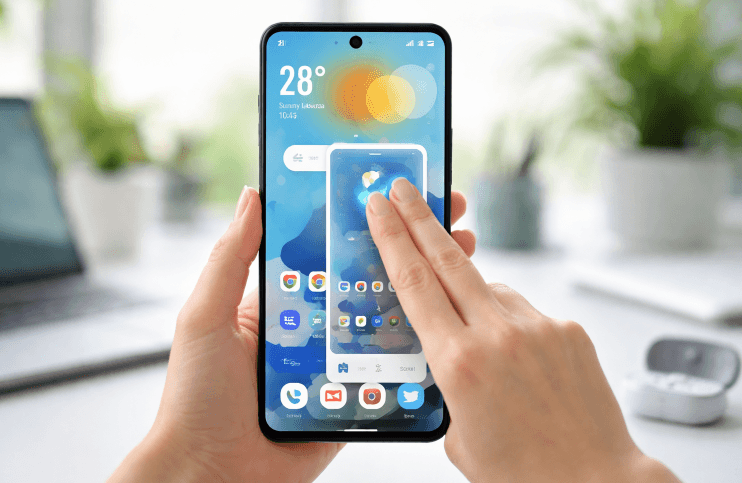
How to Screenshot on Android Phone is one of those small but incredibly useful skills that almost everyone needs at some point. Whether you want to save a funny chat, capture an important message, or keep a record of something on your screen, knowing how to do it quickly can save you time and effort. The good news? It’s actually very easy—and there are several ways to do it depending on your device.
In this guide, we’ll walk through different methods, tips, and tricks so you can master screenshots on Android like a pro—even if you’re just getting started.
Why Taking Screenshots Matters
Before we jump into the “how,” let’s talk about the “why.” Screenshots are more than just a convenience. They help you:
- Save important information instantly
- Share content quickly with friends or colleagues
- Keep proof of transactions or conversations
- Capture moments from apps, games, or social media
Sometimes, typing or explaining something is harder than just showing it. That’s where screenshots shine.
The Most Common Method: Button Combination
The easiest and most widely used method for how to take screenshot on Android is using physical buttons.
Steps:
- Open the screen you want to capture
- Press the Power button + Volume Down button at the same time
- Hold for about 1–2 seconds
- You’ll see a flash or hear a shutter sound
That’s it! Your screenshot is saved automatically.
Pro Tip: If it doesn’t work on the first try, try pressing both buttons at exactly the same time—not one before the other.
Alternative Method: Palm Swipe Gesture
Some Android phones (especially Samsung devices) offer gesture controls.
How it works:
- Go to Settings
- Find “Advanced Features” or “Motions and Gestures”
- Enable “Palm swipe to capture”
- Swipe the edge of your hand across the screen
This method feels more natural once you get used to it.
Fun Fact: Gesture-based screenshots are becoming more popular as phone designs move toward fewer physical buttons.
Using the Notification Panel
Another simple method for how to screenshot on Android phone easily is through the quick settings menu.
Steps:
- Swipe down from the top of your screen
- Look for the “Screenshot” icon
- Tap it
Your screen will be captured instantly.
This method is perfect if your buttons are hard to press or not working properly.
Taking a Scrolling Screenshot
Sometimes a normal screenshot isn’t enough—especially for long pages like articles or chats.
That’s where scrolling screenshots come in.
Steps:
- Take a regular screenshot
- Tap “Scroll” or “Capture more” (appears after screenshot)
- Select how much of the page you want to capture
Now you’ll have one long image instead of multiple small ones.
Important Note: Not all Android phones support this feature, but many newer models do.
Screenshot Using Google Assistant
If you like hands-free options, you can use voice commands.
Try this:
Say: “Hey Google, take a screenshot”
Your phone will capture the screen instantly.
This method is useful when:
- Your hands are busy
- You want quick access
- You prefer voice commands
Where Are Screenshots Saved?
After learning how to screenshot on Android phone, the next question is: where do they go?
Usually, your screenshots are saved in:
- Gallery app
- Photos app
- Folder named “Screenshots”
Here’s a quick overview:
| Location | Description |
|---|---|
| Gallery | Default photo storage |
| Google Photos | Cloud-based backup |
| File Manager | Internal storage → Pictures folder |
Quick Tip: Use Google Photos to back up your screenshots so you don’t lose them.
Editing Your Screenshot
Once you take a screenshot, you can edit it instantly.
Most Android phones allow you to:
- Crop the image
- Add text or drawings
- Highlight important parts
- Blur sensitive information
This is especially useful for work or sharing online.
Creative Idea: Use annotations to explain something visually instead of typing long messages.
Troubleshooting Common Problems
Sometimes screenshots don’t work as expected. Here are common issues and solutions:
Buttons Not Working
- Try the notification panel method
- Restart your phone
- Check for software updates
Screenshot Not Saving
- Check storage space
- Make sure permissions are enabled
Gesture Not Responding
- Re-enable the feature in settings
- Practice the swipe motion slowly
Reminder: Every Android brand may have slight differences, so explore your settings if needed.
Tips to Take Better Screenshots
Now that you know how to capture screenshot on Android, let’s make them better.
- Clean your screen before capturing
- Close unnecessary notifications
- Use dark mode for better contrast
- Crop out irrelevant parts
Small improvements can make your screenshots look much more professional.
Differences Between Android Brands
Not all Android phones are exactly the same.
Here’s a quick comparison:
| Brand | Screenshot Method Variation |
|---|---|
| Samsung | Palm swipe + buttons |
| Xiaomi | Three-finger swipe |
| Oppo | Three-finger swipe + smart sidebar |
| Google Pixel | Buttons + Google Assistant |
Insight: Even though methods differ, the button combination almost always works.
When You Should Use Screenshots
Screenshots are useful in many situations:
- Saving online receipts
- Capturing social media posts
- Keeping directions or maps
- Recording errors or bugs
They’re simple, but incredibly powerful.
Privacy and Security Tips
While screenshots are helpful, be careful with sensitive information.
Avoid sharing screenshots that include:
- Passwords
- Personal data
- Banking details
Security Tip: Always double-check before sending a screenshot to someone.
Final Thoughts
Learning how to screenshot on Android phone is a basic but essential skill that can make your daily digital life much easier. Whether you prefer using buttons, gestures, or voice commands, there’s a method that fits your style.
Once you get used to it, taking screenshots becomes second nature. And with features like editing and scrolling capture, you can do even more than just snap a quick image.
So go ahead—try each method and find what works best for you.