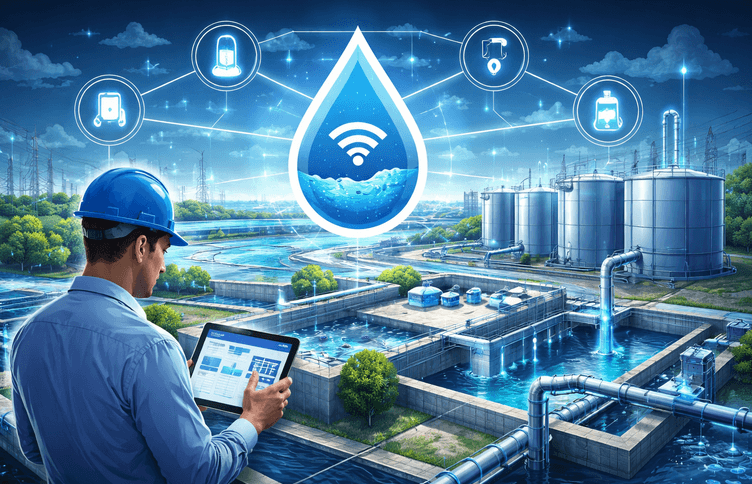
Smart water management how to save thousands of gallons using IoT sensors is no longer just a futuristic concept—it’s something households, businesses, and even small farms can start using today. With water scarcity becoming a growing concern in many parts of the world, finding smarter ways to use water efficiently is more important than ever. The good news? Technology has stepped in with practical solutions that are surprisingly accessible.
In this article, we’ll break down how smart water management works, how IoT (Internet of Things) sensors play a key role, and how you can use these tools to cut water waste and reduce costs—without making your life complicated.
What Is Smart Water Management?
Smart water management refers to using technology, data, and automation to monitor and optimize water usage. Instead of guessing how much water you’re using or where it’s being wasted, smart systems provide real-time insights and control.
At its core, this approach relies heavily on connected devices—especially IoT sensors—that collect data such as:
- Water flow rates
- Soil moisture levels
- Leak detection
- Water pressure
These sensors send data to a central system, often accessible via smartphone or computer, allowing users to make smarter decisions instantly.
Why Saving Water Matters More Than Ever
Water might seem abundant, but in reality, only a small percentage is usable for daily needs. Climate change, population growth, and inefficient infrastructure are putting pressure on water supplies worldwide.
Here’s why adopting smart water solutions makes sense:
- Lower utility bills
- Reduced environmental impact
- Better resource planning
- Prevention of water damage from leaks
Even small improvements can lead to saving thousands of gallons each year.
How IoT Sensors Transform Water Usage
IoT sensors are the backbone of smart water management systems. These tiny devices continuously collect and transmit data, giving you a clear picture of your water usage.
Real-Time Monitoring
Instead of waiting for a monthly bill, you can track water usage in real time. This helps you quickly identify unusual spikes that may indicate leaks or inefficiencies.
Automated Control
Some systems can automatically adjust water flow based on data. For example, irrigation systems can reduce watering when soil moisture is already sufficient.
Predictive Maintenance
Sensors can detect early signs of leaks or pipe damage before they become major issues. This prevents costly repairs and water loss.
Remote Access
You can monitor and control your system from anywhere using a mobile app. Whether you’re at home or traveling, you stay in control.
Practical Ways to Save Water Using IoT Sensors
You don’t need a massive budget to start benefiting from smart water management. Here are some practical applications:
Smart Irrigation Systems
These systems use soil moisture sensors and weather data to determine when and how much to water your plants.
Instead of watering on a fixed schedule, irrigation happens only when necessary. This alone can save thousands of gallons annually.
Leak Detection Devices
A small sensor placed near pipes, water heaters, or sinks can alert you instantly if a leak is detected.
Some advanced systems even shut off the water supply automatically to prevent damage.
Smart Water Meters
Unlike traditional meters, smart meters provide detailed insights into daily water usage patterns.
You can see which activities consume the most water and adjust accordingly.
Greywater Recycling Monitoring
IoT sensors can also help manage systems that reuse water from sinks or showers for irrigation, ensuring safe and efficient usage.
Key Benefits of Smart Water Management
Let’s take a closer look at the main advantages:
| Benefit | Description | Impact |
|---|---|---|
| Cost Savings | Reduces water bills through efficient use | High |
| Leak Prevention | Early detection avoids major damage | Very High |
| Environmental Impact | Conserves water resources | High |
| Convenience | Automation reduces manual effort | Medium |
| Data Insights | Helps optimize long-term usage | High |
How Much Water Can You Actually Save?
This is where things get interesting. The amount of water saved depends on your current usage and how efficiently you implement smart systems.
On average:
- Smart irrigation can reduce water usage by 30–50%
- Leak detection can prevent losses of up to 10,000 gallons per year
- Smart meters can cut unnecessary consumption by 15–20%
Combined, these improvements can lead to massive savings over time.
Getting Started With Smart Water Systems
If you’re new to this concept, starting small is the best approach. Here’s a simple roadmap:
Step 1: Identify Problem Areas
Look for signs of inefficiency:
- High water bills
- Overwatered plants
- Frequent leaks
Step 2: Choose the Right Devices
Start with basic tools like:
- Leak detectors
- Smart irrigation controllers
- Water monitoring apps
Step 3: Install and Connect
Most IoT devices are designed for easy installation. Many are plug-and-play and connect via Wi-Fi.
Step 4: Monitor and Adjust
Use the data provided to make smarter decisions. Over time, you’ll notice patterns and opportunities to improve.
Challenges and Things to Consider
While smart water management offers many benefits, it’s not without challenges.
Initial Cost
Some systems can be expensive upfront, although they often pay for themselves through savings.
Connectivity Issues
Since IoT devices rely on internet connections, unstable networks can affect performance.
Data Privacy
As with any connected system, it’s important to ensure your data is secure.
Learning Curve
There may be a small adjustment period as you get used to using the system.
Future of Smart Water Management
The future looks promising. As technology evolves, smart water systems are becoming more affordable, efficient, and user-friendly.
We’re starting to see integration with AI, where systems can learn your habits and optimize water usage automatically. Imagine a system that knows exactly how much water your garden needs based on weather forecasts and plant types.
That’s not science fiction—it’s already happening.
Tips to Maximize Your Water Savings
To get the most out of your system, keep these tips in mind:
- Regularly check sensor data
- Update software for better performance
- Combine multiple smart devices for better results
- Educate household members about water conservation
And don’t forget: even with smart systems, mindful usage still matters.
Final Thoughts
Smart water management how to save thousands of gallons using IoT sensors is more than just a trend—it’s a practical solution to a real-world problem. Whether you’re trying to lower your water bill, reduce waste, or simply make your home more efficient, IoT technology offers tools that are both powerful and easy to use.
The idea of saving thousands of gallons might sound ambitious at first, but with the right setup and a bit of consistency, it’s absolutely achievable. And along the way, you’ll not only save money but also contribute to a more sustainable future.
If there’s one takeaway, it’s this: small smart changes can lead to massive long-term impact.