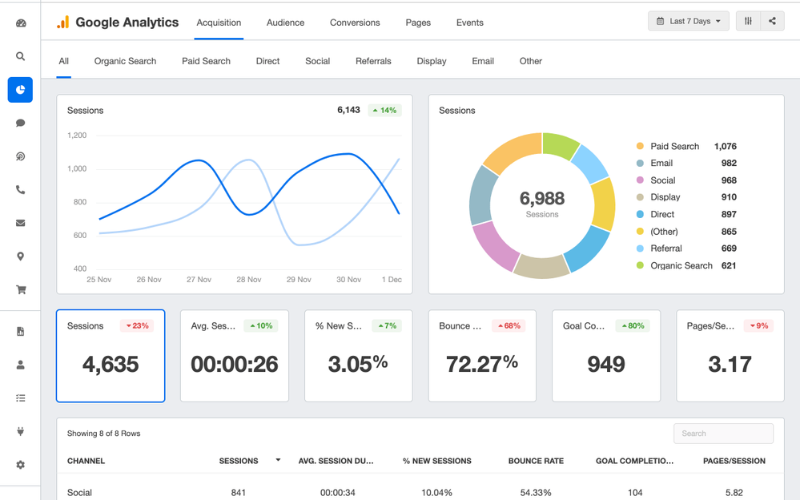
How to Analyze App Performance with Analytics Tools is something every app owner, developer, or digital marketer eventually needs to understand. Whether you’re running a startup app or managing a large-scale platform, knowing how your app performs is the difference between growth and stagnation. The good news? You don’t need to be a data scientist to figure it out—you just need the right mindset, tools, and a bit of curiosity.
Let’s break it down in a simple, human way—no complicated jargon, just practical insights you can actually use.
Why App Performance Analysis Matters
Imagine launching an app you’ve worked on for months, only to realize users are leaving after a few seconds. That’s frustrating—but also very fixable if you know what to look for.
App performance analysis helps you:
- Understand user behavior
- Detect bugs and technical issues
- Improve user experience (UX)
- Increase retention and conversions
Without analytics, you’re basically guessing. And guessing rarely leads to consistent success.
Understanding Key Metrics First
Before diving into tools, you need to know what you’re measuring. These are some of the most important app performance metrics:
| Metric | What It Means | Why It Matters |
|---|---|---|
| Daily Active Users (DAU) | Number of users per day | Shows engagement level |
| Retention Rate | Users who return | Indicates app value |
| Session Duration | Time spent in app | Measures interest |
| Crash Rate | App failures | Affects user trust |
| Conversion Rate | Actions completed | Tied to revenue/goals |
When learning How to Analyze App Performance with Analytics Tools, these metrics become your foundation.
Choosing the Right Analytics Tools
Not all tools are created equal. Some focus on user behavior, others on technical performance.
Here are common categories of tools:
1. User Behavior Analytics
These tools track what users actually do inside your app.
- Screen views
- Click paths
- Drop-off points
2. Performance Monitoring Tools
These focus on speed and technical health:
- Load time
- API response
- Crash reports
3. Marketing Analytics Tools
Helpful for understanding acquisition:
- Where users come from
- Campaign performance
A smart strategy often combines all three.
Setting Up Tracking the Right Way
Jumping into analytics without proper setup is like installing CCTV but pointing it at the wall.
To do it right:
- Define your goals first (downloads, purchases, sign-ups)
- Map user journeys
- Set event tracking (clicks, scrolls, actions)
For example:
If your goal is purchases, track:
- Add to cart
- Checkout start
- Payment success
This structure makes analytics insights actually meaningful instead of just numbers on a dashboard.
Analyzing User Behavior Step by Step
Now comes the interesting part—reading the data.
Step 1: Identify Drop-Off Points
Where are users leaving?
- Login page?
- Payment screen?
- Onboarding?
This is where you start spotting problems.
Step 2: Look at User Flow
Follow the journey:
- Entry point
- Navigation path
- Exit point
Sometimes users don’t leave because of bugs—they leave because they’re confused.
Step 3: Segment Your Audience
Not all users behave the same.
Segment by:
- Device type
- Location
- New vs returning users
You might find that Android users experience more crashes, or new users drop off faster.
Measuring Technical Performance
User experience isn’t just about design—it’s also about speed and reliability.
Key technical factors:
- App load time
- API response time
- Crash frequency
If your app takes more than 3 seconds to load, many users won’t even wait.
Here’s a simple breakdown:
| Performance Factor | Ideal Condition | Impact |
|---|---|---|
| Load Time | < 2 seconds | Better retention |
| Crash Rate | < 1% | Trust & stability |
| Response Time | Fast APIs | Smooth UX |
When learning How to Analyze App Performance with Analytics Tools, ignoring technical data is a big mistake.
Turning Data Into Action
Data is useless if you don’t act on it.
Here’s how to make it practical:
1. Fix High-Impact Issues First
Don’t try to fix everything at once.
Focus on:
- Pages with highest drop-offs
- Frequent crashes
2. Run A/B Testing
Test changes like:
- Button color
- Layout
- Onboarding flow
See what actually improves performance.
3. Improve User Experience Gradually
Small changes can have big results:
- Simplify navigation
- Reduce steps in processes
- Optimize loading speed
Common Mistakes to Avoid
Even with good tools, people often go wrong.
Overtracking Everything
Tracking too many events leads to confusion.
Stick to what matters.
Ignoring Context
Numbers alone don’t tell the full story.
Example:
A short session time could mean:
- Users found what they needed quickly (good)
- Or they got frustrated and left (bad)
Not Reviewing Data Regularly
Analytics is not a one-time task.
Make it a habit:
- Weekly check-ins
- Monthly deep analysis
Consistency is key.
Advanced Tips for Better Insights
Once you’re comfortable, take it to the next level.
Use Funnel Analysis
Track step-by-step conversions:
- Landing → Sign-up → Purchase
This shows exactly where users drop off.
Combine Quantitative and Qualitative Data
Numbers tell “what”
Feedback tells “why”
Use:
- Surveys
- User reviews
- Feedback forms
Predict Trends
With enough data, you can anticipate:
- Peak usage times
- Feature popularity
- Churn risks
This is where analytics becomes a strategic advantage.
Best Practices for Long-Term Success
To truly master How to Analyze App Performance with Analytics Tools, consistency matters more than complexity.
Here are some best practices:
- Keep dashboards simple
- Focus on actionable insights
- Regularly update tracking
- Align analytics with business goals
Think of analytics as a habit, not a task.
Conclusion
Understanding How to Analyze App Performance with Analytics Tools doesn’t have to be overwhelming. At its core, it’s about asking simple questions:
- What are users doing?
- Where are they struggling?
- How can we improve their experience?
By focusing on the right metrics, using the right tools, and actually acting on your data, you can transform your app into something users genuinely enjoy.
Remember, analytics isn’t just about numbers—it’s about people. And the better you understand those people, the better your app will perform.