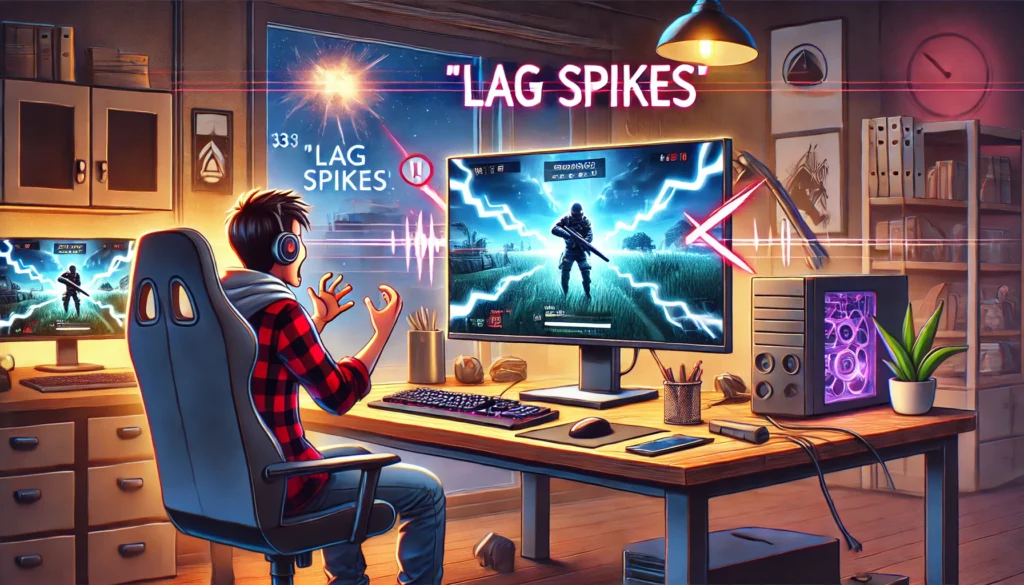
How to Reduce Lag in Online Games is something almost every gamer has searched at least once. Whether you’re in the middle of an intense battle or just trying to enjoy a casual match, lag can completely ruin the experience. The good news? You don’t need to be a tech expert to fix it. With a few smart adjustments and a better understanding of what causes lag, you can significantly improve your gameplay.
In this article, we’ll break things down in a relaxed, easy-to-follow way. From internet tweaks to hardware tips, you’ll find practical solutions that actually work.
Understanding What Causes Lag
Before jumping into solutions, it helps to know what you’re dealing with. Lag isn’t just one problem—it’s a combination of factors.
There are three main types of lag:
- Network lag (high ping or latency)
- Frame rate lag (low FPS)
- Server lag (issues from the game server itself)
Each type has a different cause, so the fix depends on the problem you’re facing. Recognizing this is already half the battle.
Optimize Your Internet Connection
If you’re serious about learning how to reduce lag in online games, start with your internet.
Switch to a Wired Connection
Wi-Fi is convenient, but it’s not always stable. A wired Ethernet connection provides:
- Lower latency
- More stable speeds
- Fewer interruptions
If possible, plug your device directly into your router. You’ll notice the difference immediately.
Close Background Apps
Streaming, downloads, or even apps running quietly in the background can eat up bandwidth.
Before gaming:
- Close unnecessary browser tabs
- Pause downloads
- Shut down apps like Netflix or YouTube
Think of your internet like a road—too many cars (apps) cause traffic (lag).
Upgrade Your Internet Plan (If Needed)
Sometimes the issue is simply speed. If multiple people are using the same network, you might need more bandwidth.
Here’s a simple guide:
| Usage Type | Recommended Speed |
|---|---|
| Casual gaming | 10–20 Mbps |
| Competitive gaming | 25–50 Mbps |
| Gaming + streaming | 50+ Mbps |
Bandwidth congestion is a common issue in shared networks, so upgrading can make a big difference.
Reduce Ping and Latency
Ping is one of the biggest factors in online gaming performance. Lower ping = faster response.
Choose the Right Server
Most games allow you to select a server region. Always pick the one closest to your location.
Why? Because distance affects data travel time. The closer the server, the faster the communication.
Use a Gaming VPN (Carefully)
A VPN can sometimes reduce lag by routing your connection more efficiently. However, it can also make things worse if not configured properly.
Look for:
- Low-latency servers
- Gaming-optimized VPNs
Routing optimization can help, but it’s not a guaranteed fix for everyone.
Improve Your Device Performance
Even with a perfect internet connection, your device can still cause lag.
Lower Graphics Settings
High graphics look amazing—but they demand more power.
Try adjusting:
- Resolution
- Shadows
- Texture quality
- Effects
Lower settings often mean smoother gameplay.
Update Drivers and Software
Outdated drivers can hurt performance. Make sure:
- Your GPU drivers are up to date
- Your system software is current
- The game itself is updated
This helps avoid compatibility bottlenecks that slow things down.
Close Background Programs
Just like with internet usage, your CPU and RAM matter too.
Before gaming:
- Close unused apps
- Disable startup programs
- Check Task Manager for heavy processes
Your system should focus on the game—not multitasking.
Use Game Mode and Performance Settings
Most modern systems come with built-in gaming optimizations.
Enable Game Mode (Windows)
Windows Game Mode:
- Prioritizes gaming performance
- Reduces background activity
- Improves stability
It’s a simple setting, but it can help.
Adjust Power Settings
Switch to “High Performance” mode in your system settings.
This ensures your CPU and GPU run at their best instead of saving power.
Thermal throttling can also affect performance, so keep your device cool.
Keep Your Hardware in Good Condition
Sometimes, lag isn’t about software—it’s about physical hardware.
Clean Your Device
Dust buildup can cause overheating, which leads to performance drops.
- Clean fans regularly
- Ensure proper airflow
- Avoid blocking vents
Upgrade Hardware (If Necessary)
If your device is older, it might struggle with modern games.
Consider upgrading:
- RAM (at least 8–16GB for gaming)
- SSD instead of HDD
- Graphics card (for PC users)
Even small upgrades can have a big impact.
Manage In-Game Settings Wisely
Every game has its own settings that affect performance.
Turn Off Unnecessary Features
Disable things like:
- Motion blur
- V-sync (sometimes)
- Anti-aliasing (or lower it)
These features look nice but can reduce performance.
Limit Background Downloads in Game Launchers
Platforms like Steam or Epic Games often download updates in the background.
Pause these while gaming to avoid bandwidth spikes.
Monitor Your Performance
If you want to seriously improve, you need to track what’s happening.
Use tools to monitor:
- Ping (latency)
- FPS (frames per second)
- CPU/GPU usage
This helps you identify whether the issue is network-related or hardware-related.
Real-time diagnostics give you a clearer picture instead of guessing.
When the Problem Isn’t You
Sometimes, no matter what you do, the lag isn’t your fault.
Server Issues
Game servers can:
- Become overloaded
- Experience downtime
- Have regional instability
In this case, the only solution is patience.
Peak Hours
Internet traffic is higher during evenings and weekends. This can affect your connection quality.
Try playing at different times to see if it improves.
Quick Checklist to Reduce Lag
If you want a fast summary, here’s what to do:
- Use a wired connection
- Close background apps
- Choose the nearest server
- Lower graphics settings
- Update drivers
- Enable performance mode
- Keep your device clean
- Monitor your ping and FPS
Simple steps, but very effective.
Final Thoughts
Learning how to reduce lag in online games doesn’t have to be complicated. Most of the time, it’s about small adjustments that add up to a big improvement. You don’t need expensive gear or advanced knowledge—just a bit of awareness and effort.
The key is to identify your specific problem. Is it your internet? Your device? Or the game server? Once you know that, fixing it becomes much easier.
At the end of the day, gaming should be fun—not frustrating. So take a few minutes to optimize your setup, and enjoy smoother, lag-free gameplay.