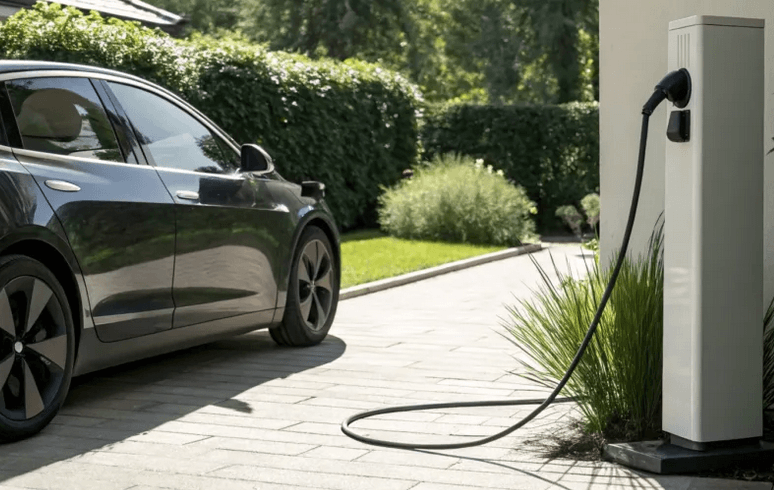
The future of commuting best home EV chargers for modern electric cars is no longer just a concept—it’s quickly becoming part of everyday life. As more people transition to electric vehicles (EVs), the way we think about daily travel, energy consumption, and even our homes is evolving. Charging your car at home is no longer a luxury; it’s becoming a practical necessity. And with that shift comes the need to understand which home EV chargers are worth your investment.
In this article, we’ll explore how commuting is changing, why home EV chargers matter, and what options are best suited for modern electric car owners. Whether you’re already driving an EV or planning to switch soon, this guide will help you make smarter decisions.
Why the Future of Commuting Is Electric
The global push toward sustainability is reshaping transportation. Governments, companies, and individuals are all moving toward greener solutions, and electric vehicles are leading the charge.
Traditional fuel-based commuting comes with rising costs and environmental concerns. EVs, on the other hand, offer lower operating costs, reduced emissions, and a quieter driving experience. But the real game-changer? Charging convenience.
Instead of stopping at gas stations, EV owners can simply plug in at home. This shift is redefining what “commuting” means—less time refueling, more time focusing on what matters.
Understanding Home EV Chargers
Before diving into the best home EV chargers for modern electric cars, it’s important to understand how they work.
There are generally two main types of home chargers:
| Charger Type | Power Level | Charging Speed | Best For |
|---|---|---|---|
| Level 1 | 120V | Slow | Overnight charging, low mileage |
| Level 2 | 240V | Fast | Daily commuters, efficient charging |
Level 1 chargers usually come with your EV, but they’re quite slow. Level 2 chargers, however, are the real stars of modern commuting. They can fully charge your vehicle in just a few hours.
Level 2 chargers are often considered the backbone of efficient home EV charging, especially for people with busy schedules.
Key Features to Look for in the Best Home EV Chargers
Not all chargers are created equal. When choosing the best option, you should consider several important features:
1. Charging Speed and Power Output
The higher the power output (measured in kW), the faster your car charges. Most Level 2 chargers range between 7 kW to 22 kW.
2. Smart Connectivity
Modern chargers often come with Wi-Fi or Bluetooth capabilities. These allow you to monitor charging, schedule sessions, and track energy usage through mobile apps.
3. Safety Features
Look for chargers with built-in protection against overcurrent, overheating, and voltage fluctuations.
4. Installation Requirements
Some chargers require professional installation, especially those with higher power outputs.
5. Compatibility
Make sure the charger works with your specific EV model. Most modern chargers are universal, but it’s still worth double-checking.
Best Home EV Chargers for Modern Electric Cars
Now let’s explore some of the best home EV chargers that are shaping the future of commuting.
Smart Chargers for Tech-Savvy Users
Smart chargers are ideal for those who want full control over their charging experience. These devices connect to apps, giving you real-time data and remote control.
Benefits include:
- Scheduling charging during off-peak hours
- Monitoring electricity usage
- Receiving maintenance alerts
Smart charging is not just convenient—it’s a step toward energy efficiency and cost savings.
Fast Chargers for Busy Lifestyles
If your daily routine is packed, fast chargers are a must. These high-power Level 2 chargers significantly reduce charging time.
They are perfect for:
- Daily commuters
- Families with multiple EVs
- People with limited charging windows
Portable Chargers for Flexibility
Some EV owners prefer portability. Portable chargers allow you to charge your car anywhere with the right outlet.
While not as fast as fixed installations, they offer flexibility—especially useful for travel or emergencies.
How Home Charging Transforms Daily Commuting
Imagine waking up every morning with a fully charged car. No detours, no waiting lines, no stress.
That’s the reality of home EV charging.
Time Efficiency
Charging overnight means you’re always ready to go. This eliminates the need for frequent stops at public charging stations.
Cost Savings
Electricity is often cheaper than gasoline. Plus, many regions offer lower rates during off-peak hours.
Environmental Impact
Using a home charger—especially when paired with renewable energy—reduces your carbon footprint significantly.
Home EV charging is not just about convenience; it’s about redefining how we interact with energy in our daily lives.
Installation Tips for Home EV Chargers
Installing a home EV charger isn’t complicated, but it does require some planning.
Assess Your Electrical System
Make sure your home can handle the additional load. You may need to upgrade your electrical panel.
Choose the Right Location
Install the charger in a convenient spot, ideally near your parking area.
Hire a Professional
For Level 2 chargers, professional installation is highly recommended to ensure safety and compliance.
Common Mistakes to Avoid
Even though EV charging seems simple, there are a few common pitfalls:
- Choosing a charger without checking compatibility
- Ignoring installation costs
- Underestimating power requirements
- Skipping smart features that could save money long-term
Avoiding these mistakes can save you both time and money.
The Role of Technology in Future EV Charging
Technology is rapidly improving the EV charging experience.
Integration with Smart Homes
Modern chargers can integrate with smart home systems, allowing automation and energy optimization.
Renewable Energy Compatibility
Many chargers now work seamlessly with solar panels, enabling sustainable charging solutions.
AI and Predictive Charging
Some advanced systems use AI to predict your charging needs and optimize energy usage automatically.
The intersection of AI, renewable energy, and EV technology is shaping a smarter and more sustainable commuting future.
Comparing Home Charging vs Public Charging
While public charging stations are useful, home charging offers unmatched convenience.
| Feature | Home Charging | Public Charging |
|---|---|---|
| Convenience | High | Medium |
| Cost | Lower | Higher |
| Availability | Always | محدود (varies) |
| Charging Speed | Moderate | Fast |
For most users, home charging becomes the primary method, with public chargers serving as backup.
Is Investing in a Home EV Charger Worth It?
Short answer: yes.
Long answer: it depends on your lifestyle—but for most EV owners, the benefits outweigh the costs.
Advantages
- Convenience
- Lower long-term costs
- Increased property value
- Better vehicle readiness
Considerations
- Upfront installation cost
- Electrical upgrades if needed
Overall, the investment pays off over time, especially for regular commuters.
Final Thoughts
The future of commuting best home EV chargers for modern electric cars is not just about technology—it’s about lifestyle transformation. As electric vehicles become more mainstream, home charging will play a central role in how we move, save money, and reduce our environmental impact.
Choosing the right charger can make your EV experience smoother, more efficient, and more enjoyable. Whether you prioritize speed, smart features, or flexibility, there’s a solution out there that fits your needs.
As we move forward, one thing is clear: commuting is no longer just about getting from point A to point B. It’s about doing it smarter, cleaner, and more efficiently than ever before.